Skip and disposal rules in Hackney and responsible removals
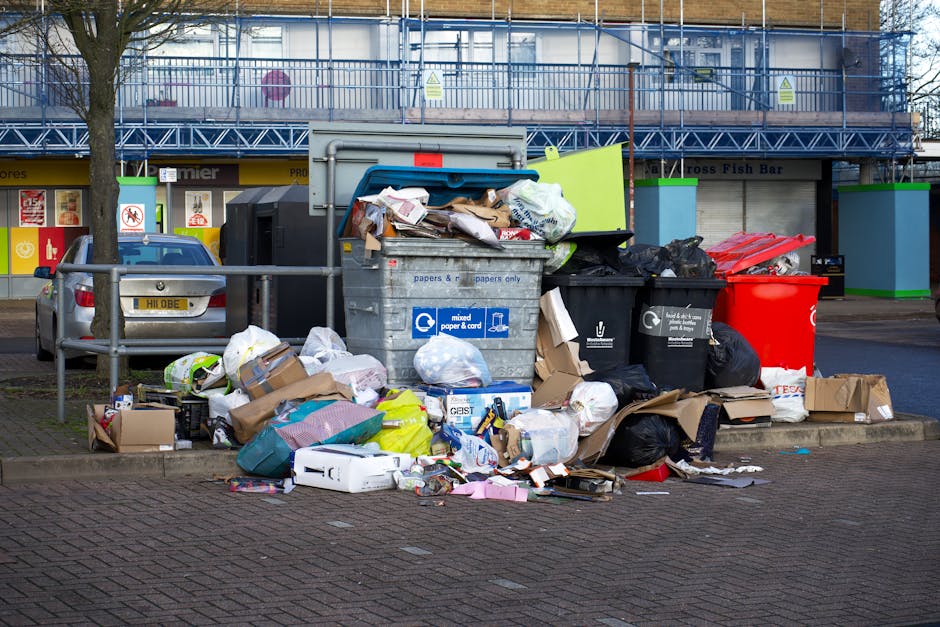
If you are planning a clear-out, renovation, house move, or office tidy-up, the details around skip and disposal rules in Hackney and responsible removals can catch people out fast. One minute you are looking at a pile of broken furniture and old paint tins; the next, you are wondering where a skip can actually sit, what can go inside it, and whether a smarter van-based removal might be easier. It is one of those jobs that seems simple until you are standing there with a driveway full of rubbish and a deadline breathing down your neck.
This guide walks through the practical side of waste removal in Hackney: how skip use typically works, what responsible disposal should look like, where the common pitfalls are, and how to choose the right approach for your property, your street, and your budget. You will also find a checklist, a comparison table, and some plain-English advice to help you avoid the annoying mistakes that waste time and money.
Why Skip and disposal rules in Hackney and responsible removals Matters
Waste removal is not just a "get rid of the lot" task. In Hackney, space is often tight, streets are busy, and the practicalities of placing, loading, and collecting waste can make a big difference to how smoothly a job goes. A skip left in the wrong spot can create access problems for neighbours, delivery drivers, and emergency services. Poor disposal choices can also lead to contamination, fly-tipping risk, or extra charges later on. Nobody wants that kind of surprise.
Responsible removals matter because waste does not disappear when it leaves your front door. It has to be sorted, moved, and processed properly. That means thinking about what can be reused, what should be recycled, what must go to a licensed transfer station, and which items need special handling. A good removal plan keeps the whole process tidy, lawful, and far less stressful.
There is also the local angle. Hackney's streets, parking pressures, and residential density mean that a one-size-fits-all approach rarely works. A skip might be the right answer for a long renovation, but for a flat, a terrace with no driveway, or a job that needs quick turnaround, a van-based collection can be a better fit. The trick is matching the method to the real-world situation, not just the size of the pile.
Expert summary: The best waste solution is usually the one that fits your property, avoids unnecessary disruption, and keeps disposal responsible from start to finish. Cheap is not always cheap if it creates fines, delays, or a second removal later.
How Skip and disposal rules in Hackney and responsible removals Works
At a practical level, the process usually starts with three questions: how much waste do you have, what type of waste is it, and where will it be collected from? Those answers shape whether you need a skip, a man and van style removal, a dedicated furniture pick-up, or a broader removal service. Simple enough on paper. In real life, the answer often changes once you start clearing cupboards and pulling things apart.
If you are using a skip, placement is the first issue. On private land, such as a driveway or forecourt, the process is typically more straightforward. On a public road or parking bay, extra permissions may be needed, and the skip must not block access or create a hazard. In a dense area like Hackney, that can be the difference between a smooth clear-out and a headache with neighbours and traffic.
Then comes waste type. General household rubbish, broken furniture, garden waste, and renovation debris are not treated the same. Some materials are reusable or recyclable; others may need specialist handling. For example, plasterboard, electrical items, liquids, and certain construction materials often require separate treatment. Mixing everything together might feel efficient in the moment, but it can reduce recycling opportunities and may not be acceptable to the disposal site.
Responsible removals are about more than collection. They involve sorting, loading safely, transporting legally, and disposing of waste through proper channels. A trustworthy provider will usually explain what they can take, what they cannot take, and how they handle different streams of waste. That clarity matters. A lot.
For readers comparing broader moving or clearance help, related services such as removal services, man and van removals, and furniture pick-up can be useful alternatives when a skip is not the neatest option.
Key Benefits and Practical Advantages
Choosing the right waste disposal approach brings benefits that go beyond having a tidy front step. You usually save time, reduce stress, and cut the risk of things going wrong halfway through the job. That last one is more common than people think, especially when the clear-out starts with confidence and ends with a lot more rubbish than expected. Funny how that happens.
- Cleaner workflow: The space clears in one organised process instead of lots of small trips.
- Less disruption: A well-planned collection keeps pavements, entrances, and neighbours happier.
- Better recycling outcomes: Separating suitable materials can improve reuse and recycling rates.
- Lower risk: Proper disposal reduces the chance of blocked access, overfilled containers, or unsafe stacking.
- More predictable costs: Knowing what is included and what is not helps avoid unpleasant add-ons.
There is also a practical comfort factor. When waste is handled properly, the job feels under control. You are not staring at a half-finished hallway or a pile of broken chairs for another week. The space breathes again. That matters, especially in homes where every square metre counts.
For businesses, the advantage is even sharper. Shops, offices, landlords, and managing agents often need quick turnarounds and a tidy trail of responsibility. In those cases, using services such as commercial moves or office removals can make disposal and relocation much easier to manage.
Who This Is For and When It Makes Sense
This topic is relevant to a surprisingly wide mix of people. If you are a homeowner in Hackney getting ready for a refurb, a renter moving out, a landlord clearing a property, or a business owner dealing with old stock and office furniture, the same basic question appears: what is the most responsible, least disruptive way to remove waste?
You may need a skip or removal service if you are:
- clearing out a loft, basement, shed, or storage room
- doing a kitchen, bathroom, or general renovation
- moving home and getting rid of furniture or mixed household items
- emptying an office after a relocation or refit
- dealing with bulky waste that will not fit in normal bins
- trying to clear space quickly before decorators, movers, or trades arrive
A skip makes sense when you have steady waste volume over several days and enough space to accommodate it safely. A van collection often makes more sense when the access is tight, the waste is ready in one go, or you need same-day removal without a container sitting outside for too long. Truth be told, many households in Hackney discover that a van service feels simpler than they expected.
If you are planning a house move specifically, useful related guidance can also be found in home moves and house removals. Those pages are especially helpful when waste removal is part of a bigger move rather than a standalone clearance.
Step-by-Step Guidance
Here is a straightforward way to approach it without overcomplicating things.
- Walk through the property first. Make a realistic list of what needs to go. A quick five-minute scan often saves hours later.
- Separate the obvious categories. Keep furniture, general rubbish, recyclables, electrical items, and anything hazardous apart where possible.
- Check access. Measure gates, stairwells, parking space, and any tight corners. A bulky sofa can look harmless until it meets a narrow hallway.
- Decide on the disposal method. If the volume is steady and space is available, a skip may suit you. If not, a van-based clearance may be cleaner and faster.
- Confirm what can be taken. Ask about restricted items, heavy materials, and anything that needs special handling.
- Plan the loading order. Put the largest and heaviest items in first if that is the agreed method, then fill gaps with lighter waste.
- Keep pathways clear. It sounds obvious, but a clear walkway makes the job safer and quicker.
- Ask for a disposal approach that prioritises reuse and recycling. Responsible removals should not mean "everything mixed together and hoped for the best."
- Do a final sweep. Check corners, cupboards, loft hatches, and behind doors before the vehicle or skip goes.
A small but useful detail: if you are doing the clear-out over more than one day, keep a simple pile-by-pile plan. Day one for bulky furniture, day two for mixed household items, day three for leftover bits and packaging. It sounds a bit organised, maybe even annoyingly so, but it keeps the job from drifting.
Expert Tips for Better Results
The best waste jobs are usually the boring ones. No drama, no confusion, no "where did that pile come from?" Here are a few practical tips that make a real difference.
- Do a pre-sort before collection day. Even a rough sort can improve recycling and reduce handling time.
- Photograph bulky items. If you are unsure whether something qualifies as standard waste, a photo helps avoid misunderstandings.
- Leave room for safety. Overfilling a skip or cramming a van floor right to the ceiling is asking for problems.
- Think about weather. Rain makes cardboard heavy and messy, and damp waste is harder to move neatly. London weather, what can you do?
- Plan for stair access early. In many Hackney properties, stairs and shared entrances matter more than the actual item count.
- Use professional help for awkward items. Fridges, wardrobes, old mattresses, and awkward office furniture can be more time-consuming than they look.
A good rule of thumb: if an item is likely to snag, splinter, spill, or need two people to move safely, it deserves a bit more planning. That is where responsible removals really earn their keep.
For slightly larger or more awkward domestic jobs, man and van options and removals near me searches often point people in the right direction, especially when they want flexibility rather than a fixed container.
Common Mistakes to Avoid
Most disposal problems come from rushing. Fair enough, people are busy. But a few common mistakes keep showing up, and they are easy to avoid once you know what to look for.
- Mixing waste types without checking: Some items need separate handling, and mixing them can limit recycling or complicate disposal.
- Underestimating volume: The first pile looks modest, then the cupboard behind the cupboard appears. It always does.
- Ignoring access restrictions: Narrow streets, loading rules, and parking pressure can affect collection timing.
- Assuming every provider handles everything: Not all waste streams are accepted in the same way, especially specialist items.
- Leaving hazardous items for last: Paints, solvents, and sharp objects should be identified early.
- Choosing purely on price: Cheapest is not always best if the service is slow, unclear, or careless with disposal.
One of the sneakiest mistakes is forgetting the "end of job" cleanup. A space can look empty but still have nails, screws, cardboard, broken brackets, or dust left behind. Those bits matter. They trip people, damage flooring, and make the room feel unfinished.
Tools, Resources and Recommendations
You do not need fancy equipment to manage a good disposal job, but a few practical tools help a lot. Thick gloves, a trolley, packing tape, bin bags, and a marker pen for labelling can make the sorting process much smoother. If you are dealing with furniture, blankets and straps are handy for protecting doors and stair edges. Small thing, big difference.
It can also help to have a simple waste plan written down before collection day. That might include item categories, room-by-room notes, access details, and any special instructions for the team collecting the waste. If you are booking a broader move, services such as moving van and movers may also be relevant when disposal is only one part of the task.
When choosing a provider, look for signs of professionalism such as clear pricing, sensible communication, proper insurance, and a willingness to explain what happens to your waste. A reputable business should be able to talk plainly about sorting, loading, and disposal without making it sound mysterious.
If you want more background on how a company approaches responsible operations, pages like recycling and sustainability, insurance and safety, and health and safety policy are useful reading. They do not replace common sense, of course, but they do show whether the business treats waste handling seriously.
Law, Compliance, Standards, or Best Practice
Waste disposal in the UK is regulated, and that matters whether you are hiring a skip or arranging a collection. You do not need to become a legal expert, but you should expect the provider to handle waste lawfully, use appropriate disposal channels, and avoid anything that looks like fly-tipping or casual dumping. That is the baseline.
For Hackney properties, practical compliance usually comes down to a few core expectations:
- Use a lawful waste carrier: Ask how your waste will be transported and processed.
- Do not overload containers: Waste should be loaded safely and within the agreed limits.
- Keep restricted items separate: Hazardous or special waste may need different handling.
- Respect access and highway rules: A skip should not create unnecessary obstruction.
- Maintain clear records where needed: For commercial jobs, documentation may matter more than people expect.
Best practice is not just about avoiding penalties. It is also about doing the job neatly, with less waste going to landfill where it can be reused or recycled. If a provider claims to be "responsible" but cannot explain their disposal process in simple terms, that is worth a raised eyebrow. To be fair, it usually is.
For customers wanting more clarity on the business side, the pages on terms and conditions and payment and security can help set expectations before booking. And if you want to know how the company handles concerns, the complaints procedure is worth a look too.
Options, Methods, or Comparison Table
Sometimes the easiest way to decide is to compare the main choices side by side. The right answer depends on the volume, access, and how quickly you need the space back.
| Option | Best for | Advantages | Things to watch |
|---|---|---|---|
| Skip hire | Longer clear-outs, refurb jobs, steady waste volume | Convenient if you are filling waste over several days | Needs space; placement and access can be tricky in busy streets |
| Man and van removal | Bulky items, mixed waste, fast one-off jobs | Flexible, often better for tight access and quick turnaround | Needs good item descriptions and clear instructions |
| Furniture pick-up | Sofas, tables, wardrobes, single or small batches of items | Simple and efficient for specific bulky waste | Not ideal for large mixed clearances |
| Full removals service | House moves, office relocations, combined moving and clearance | Useful when disposal and relocation happen together | May be more service than you need for a small waste-only job |
If you are still undecided, think about the pace of your job. Are you clearing gradually, or do you need everything gone in one morning? That answer usually points you in the right direction.
Case Study or Real-World Example
Imagine a typical Hackney flat clear-out after a long tenancy. There are two wardrobes, a mattress, old shelving, a broken desk, a bag of mixed household waste, and a few bits that need separating before they go. The tenant wants the place emptied before a Saturday handover, and the staircase is narrow enough to make everyone a bit cautious.
In that situation, a skip may not be the most practical option. There is no driveway, street space is tight, and leaving a container outside for days could create more stress than it solves. A responsible removal service is often the better fit. The team can assess the items, bring the right vehicle, remove the furniture safely, and make sure recyclable items are handled separately where possible.
What tends to go well in this kind of job is the planning. The items are grouped by room, access is checked before arrival, and the final sweep catches loose screws, under-bed clutter, and stray packing material. The result is not just a cleared flat, but a cleaner handover and far less last-minute panic. You know the feeling when the last bag finally leaves the hallway and the place suddenly sounds bigger? Yes, that.
For jobs like this, related services such as house removalists, house movers, and removals can be especially helpful because they combine moving skill with practical waste handling.
Practical Checklist
Use this checklist before booking or loading anything. It keeps the job grounded and saves a lot of back-and-forth later.
- Confirm how much waste you actually have
- Identify bulky, heavy, or awkward items early
- Separate general waste from items that may need special handling
- Check whether the skip or vehicle will fit safely at the property
- Think about street access, parking, and timing
- Ask what can and cannot be collected
- Make sure pathways and entrances are clear
- Keep fragile or valuable items out of the clearance zone
- Request clarity on disposal and recycling practices
- Do a final walk-through before the team leaves
Quick takeaway: the smoother the preparation, the cleaner the disposal job. Simple as that. A bit of sorting up front usually saves time, money, and a fair amount of frustration.
Get a free quote today and see how much you can save.
Conclusion
Skip and disposal rules in Hackney and responsible removals are really about fitting the method to the job and doing it properly. If you have space, time, and a steady stream of waste, a skip may work well. If access is tight, the load is mixed, or you need faster turnaround, a van-based collection or broader removal service can be a better, cleaner fit.
The best approach is the one that keeps your property accessible, your waste handled responsibly, and your day from spiralling into an all-day mess. That is the quiet win here. Not glamorous, maybe, but very useful. And honestly, that is enough.
If you plan carefully, ask the right questions, and choose a provider that values safe, lawful disposal, the whole process becomes much easier. One less thing to worry about. Which, on a busy Hackney street with a deadline looming, is no small thing.
Frequently Asked Questions
Do I need a skip or a van collection in Hackney?
It depends on the type and amount of waste, plus how much space you have. A skip suits longer jobs with steady waste, while a van collection is often easier for bulky items, mixed loads, or tight access.
What makes responsible removals different from a basic rubbish collection?
Responsible removals focus on sorting, legal transport, safe handling, and proper disposal. The goal is not just to remove waste, but to do it in a way that supports recycling and avoids careless dumping.
Can I put everything in one skip?
Not always. Some materials need separate handling, and some items may be restricted altogether. It is better to check before loading so you do not end up with rejected waste or extra charges.
How do I know if my property has enough space for a skip?
Look at driveway size, pavement width, road access, and whether the skip would block entrances or parking. In Hackney, space can be tight, so a quick measure-up is worth doing before booking.
Are furniture pick-ups useful for small clear-outs?
Yes. If you only need to remove a sofa, bed, wardrobe, or a few bulky pieces, furniture pick-up is often simpler and more efficient than arranging a full skip.
What should I do with electrical items?
Electrical items often need separate treatment, so do not assume they can go in with general waste. Ask the provider how they handle appliances, cables, and anything with plugs or batteries.
Is it better to clear everything at once or in stages?
That depends on the job. A one-off clear-out is efficient if everything is ready, but staged removal works better if you are sorting through a house, renovating room by room, or sharing access with other trades.
What if I need disposal help during a house move?
Then a service that combines moving and removal can be a smart option. It avoids separate bookings and helps keep the move day calm, which is rare enough already.
How can I avoid extra charges?
Be clear about what you have, what level of access the property offers, and whether any awkward or restricted items are included. The more accurate the description, the fewer surprises later.
Do responsible removals help with recycling?
They should. A good provider will separate recyclable or reusable items where practical, rather than sending everything through one mixed disposal route.
What is the safest way to prepare for collection day?
Clear access routes, separate waste categories where possible, keep sharp or heavy items stable, and make sure everyone knows what is being removed. A little preparation goes a long way.
Can I book a removal service for an office or business property?
Yes, and it is often the best route for office furniture, stock clearances, and relocation jobs. Business waste tends to work best when the collection plan is simple, documented, and handled quickly.
For more background on service standards, company details, and practical moving help, you may also find the main site useful via about us and the wider blog section.